

The Per-Flight-Hour Method Ensures You’re Funded Before You Hit TBO.
Every piston engine has a number attached to it. Time between overhaul, or TBO, is the manufacturer’s recommended limit before the engine gets torn down and rebuilt, and for most general aviation singles it lands somewhere between 1,800 and 2,000 hours, or a calendar limit of around 12 years, whichever comes first.
Here’s the thing about that number: it is not a surprise. You can see it coming from the day you buy the airplane. The overhaul itself is a planned event. The only part that tends to come as a shock is the big bill.
A maintenance reserve fixes that. It turns one intimidating five-figure expense into a series of small, predictable contributions you barely notice. Done right, the money is already sitting in an account when the engine comes due, and the overhaul becomes a scheduling problem instead of a financial one.
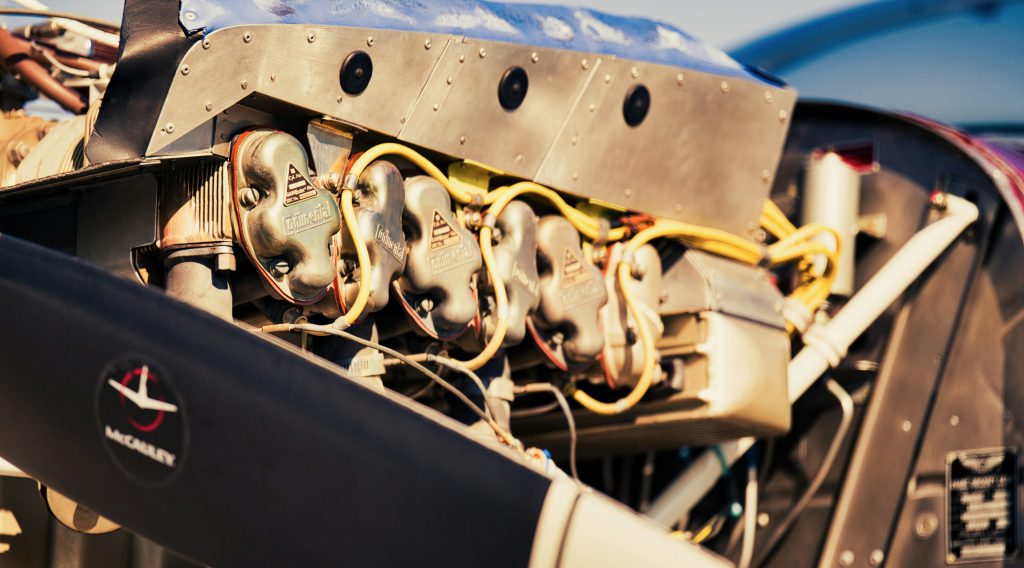
What is a maintenance reserve?
A maintenance reserve is money you set aside on a regular basis, usually per flight hour, to cover the big future costs of ownership. Instead of paying for an overhaul all at once, you pay a little toward it every time you fly. So you’re saving for those big-ticket maintenance items so the funds are ready when the time comes.
The concept comes straight from the commercial and charter world, where reserves are standard practice. There is no reason a single owner or a two-person partnership cannot run the same playbook on a smaller scale.
Some big-ticket items worth planning for
Every aircraft owner knows about the engine overhaul, but it isn’t the only large expense that shows up on a required maintenance schedule. A complete reserve covers all of them:
- Engine overhaul. The big one. Depending on the engine, a field overhaul or factory reman commonly runs from $30,000 to $50,000 or more. Divide that by your TBO and you have a real per-hour cost.
- Propeller overhaul. Props come due on their own schedule, often every six years or on an hour limit, and typically cost a few thousand dollars including the governor.
- Avionics. Screens fail, subscriptions and databases renew, and mandates like ADS-B arrive with hard deadlines. Budget for repair, updates and eventual replacement.
- Paint and interior. These aren’t airworthiness items, but they protect resale value and they are expensive to do well. Most airplanes need paint and/or interior attention every ten to fifteen years.
- Inspection surprises. Every annual has the potential to uncover something. A modest cushion for the unexpected squawk keeps a bad inspection from becoming an expensive bill.
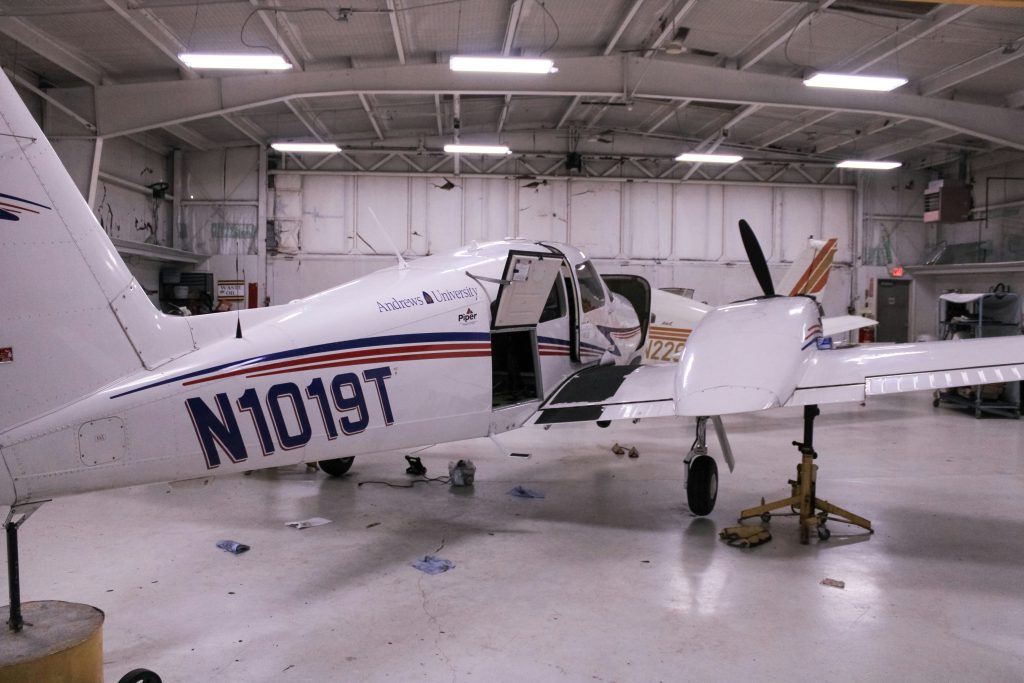
How to build your number
The per-hour method is often considered the simplest and the fairest. For each big-ticket item, estimate the cost and divide by the hours (or years) until it comes due.
Here’s an example for a typical piston single:
- Engine: $40,000 overhaul divided by 2,000 hours = $20 per hour
- Propeller: $3,600 divided by 1,200 hours = $3 per hour
- Avionics and airframe cushion: $5 per hour
That comes to roughly $28 per hour set aside. Fly 100 hours in a year and you have added about $2,800 to the fund. Your actual numbers will depend on your engine, your avionics and how often the aircraft is flown, so build the table with your own figures and revisit it every year.
The point isn’t precision down to the penny. It’s about letting money accumulate quietly in the background so you have the funds when the time comes for expected, and sometimes unexpected, maintenance work.
Where to keep your reserve funds
It’s important to keep the reserve in a separate account from your operating cash. A dedicated high-yield savings account works well: it earns a little interest, it stays out of sight and the separation makes it much harder to spend the engine fund on avgas. Automate the transfer if you can, tied to a monthly estimate of or your actual flight hours, so the reserve builds without requiring extra effort on your end.
For the solo owner
When you’re the sole owner of an aircraft, the reserve is really about discipline. There isn’t a partner to ensure you’re contributing, so your system has to be your check. Treat your per-hour contribution like any other fixed cost of flying, right alongside fuel, insurance and tiedown. The owners who get sticker shock are usually the ones who didn’t set money aside for both known and/or unexpected expenses.
Knowing exactly where your engine sits against TBO makes the whole exercise easier. When your hours flown and your time remaining are always in front of you, the reserve stops being an abstraction and becomes a countdown you are actively funding. Keeping your aircraft’s times and upcoming maintenance in one place, rather than scattered across logbooks and memory, is what makes it possible.
For partnerships
Partnerships bring one extra consideration, and a reserve handles it cleanly. Partners rarely fly the same number of hours, so a flat split of a future overhaul won’t quite match who actually put the time on the engine. A per-hour reserve lines each partner’s contribution up with their flying, so everyone pays in proportion to the hours they log.
A per-hour reserve fixes this at the source. Each partner contributes based on the hours they actually fly, so the heavier users fund a larger share of the wear on the aircraft. By the time the overhaul comes, the fund is full and nobody is writing a surprise check or arguing about who owes what.
Two things make this work in practice. First, put it in writing in your partnership or co-ownership agreement: the per-hour rate, where the money lives and what it covers. Second, everyone needs to trust the hours. Shared, transparent visibility into who flew what, updated as it happens rather than reconstructed at the end of the year, keeps the contributions honest and keeps the partnership friendly. When every partner can see the same flight times and the same maintenance horizon, the reserve runs itself.
The overhaul you knew was coming
The difference between a maintenance reserve and no reserve is not really about the cost. It is about whether the most predictable expense in aircraft ownership hits you with big costs all at once, or in small increments that you barely notice.
Tracking and visibility make building a reserve even easier: knowing your hours, your time against TBO and your upcoming maintenance well enough to fund them on schedule. Keeping all of it in one place, which is what Coflyt is built for, is what turns a reserve from a good intention into a plan that is already paid for.
Your overhaul is coming either way. The reserve just means you spent the last few hundred hours getting ready, a few dollars at a time, so the day the engine comes due is the day everything goes exactly as expected.